Event reflection · Industry, People & Community
Beyond the Announcements: What Sitecore Symposium 2026 Made Me Think About
Reflections on AI, enterprise content operations, community, and a memorable few days in Orlando.
 Yuvraj Kasture · 18 min read
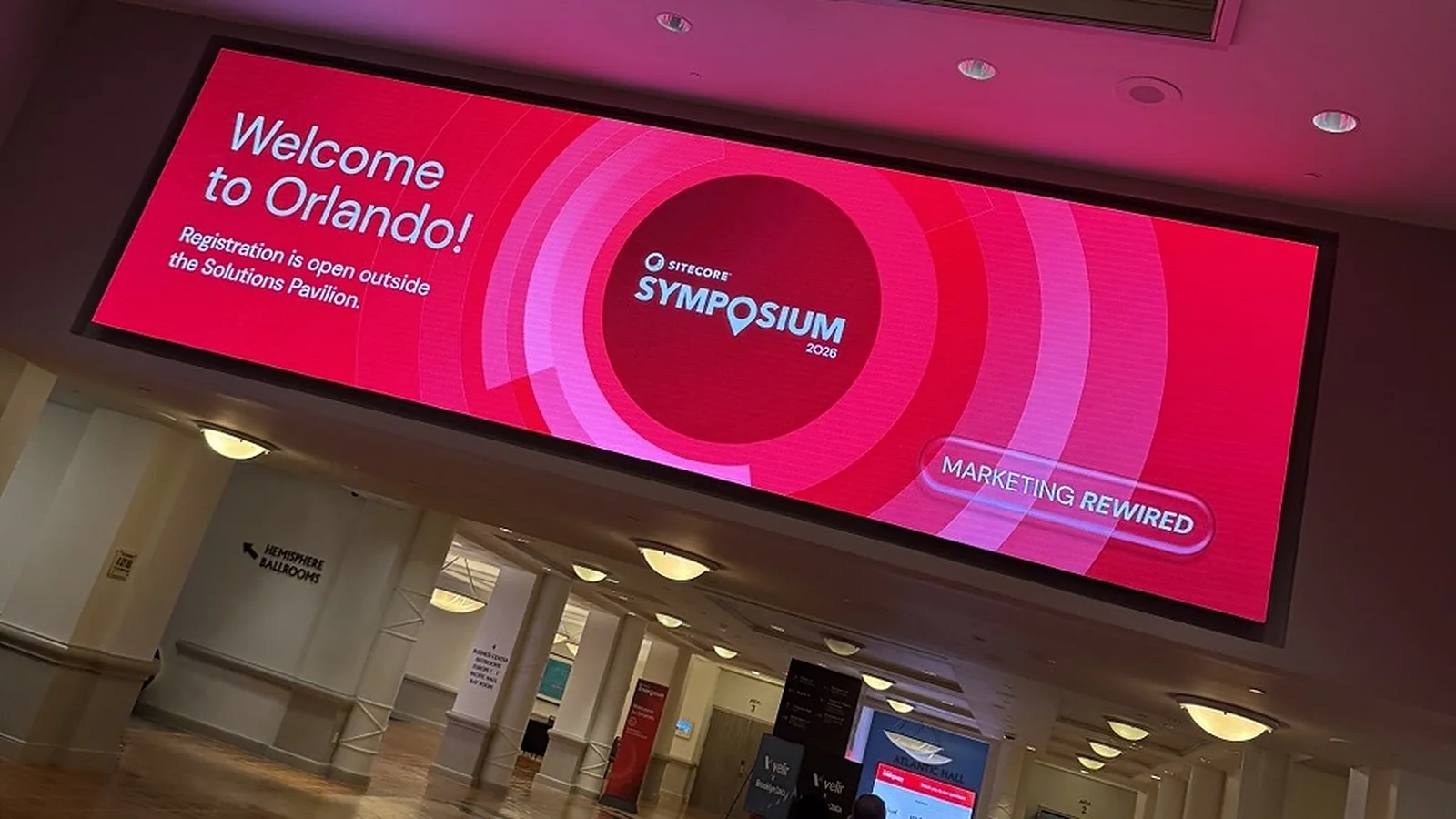
I returned from Orlando with plenty of photographs, some wonderful memories, a notebook full of ideas, and probably more questions than answers.
And I think that is a good thing.
This was my first Sitecore Symposium. Having been part of the Sitecore ecosystem for years, I was genuinely looking forward to experiencing the event in person, meeting people from the community, and seeing where the industry is heading.
The trip was special for another reason too. Diwali happened to fall during my time in Orlando. Celebrating away from home felt a little different, but spending it with wonderful people and families made it memorable in its own way.
And then came Symposium!

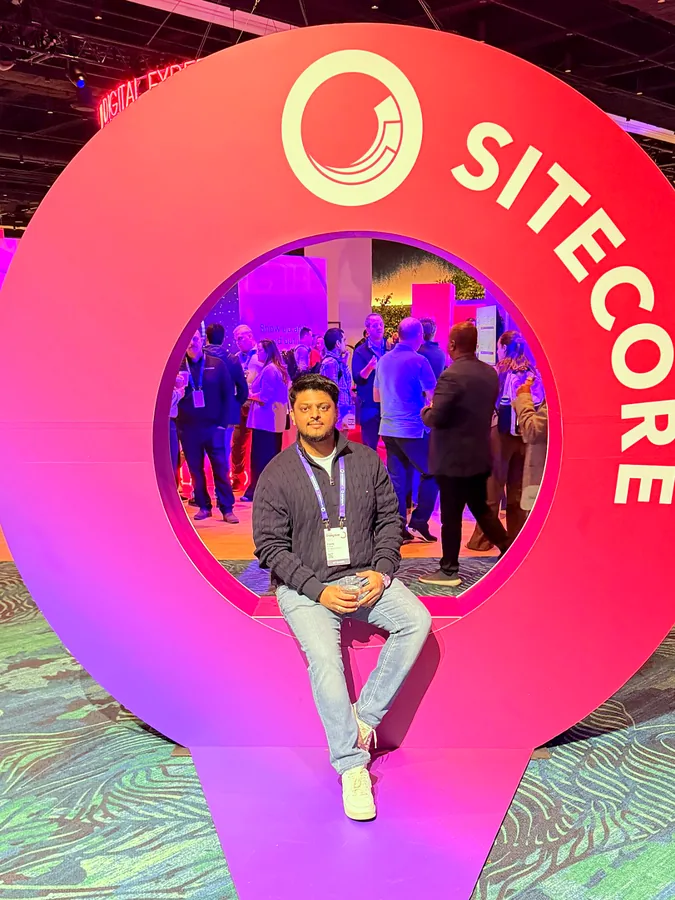
The days around Symposium had their own rhythm. Partner Connect brought people together ahead of the main event, and the welcome reception was a chance to catch up with familiar faces, meet people I had only connected with online, and settle into the energy of the week.
November 11 and 12 brought the main Symposium experience, packed with keynotes, sessions, product announcements, and conversations about what comes next for digital experiences.
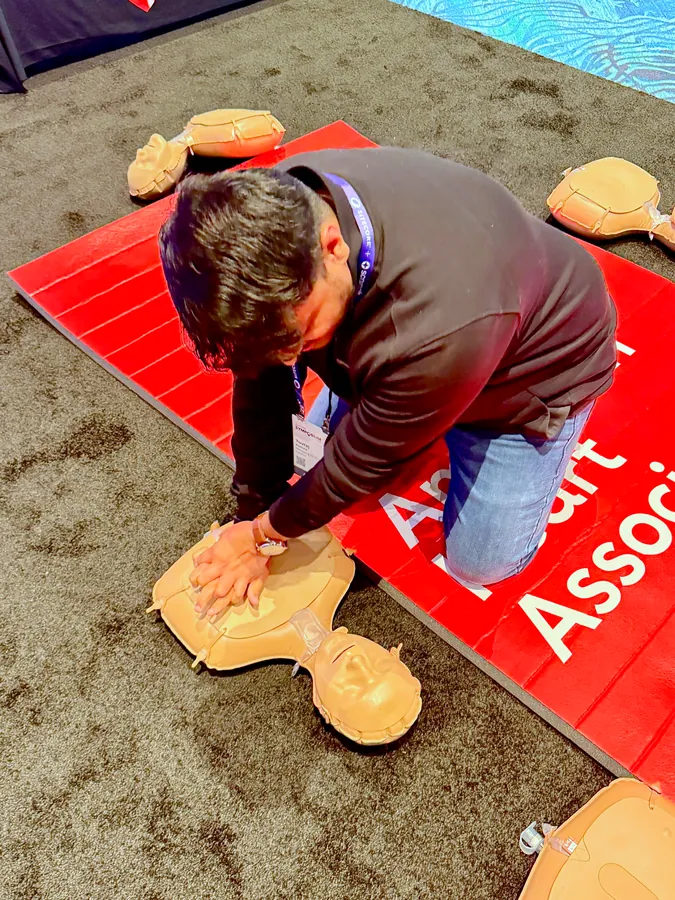
And between the sessions, there were some fun surprises too. Driving simulators, a puppy corner, and a hands-on CPR demonstration made for memorable breaks during the two main conference days.


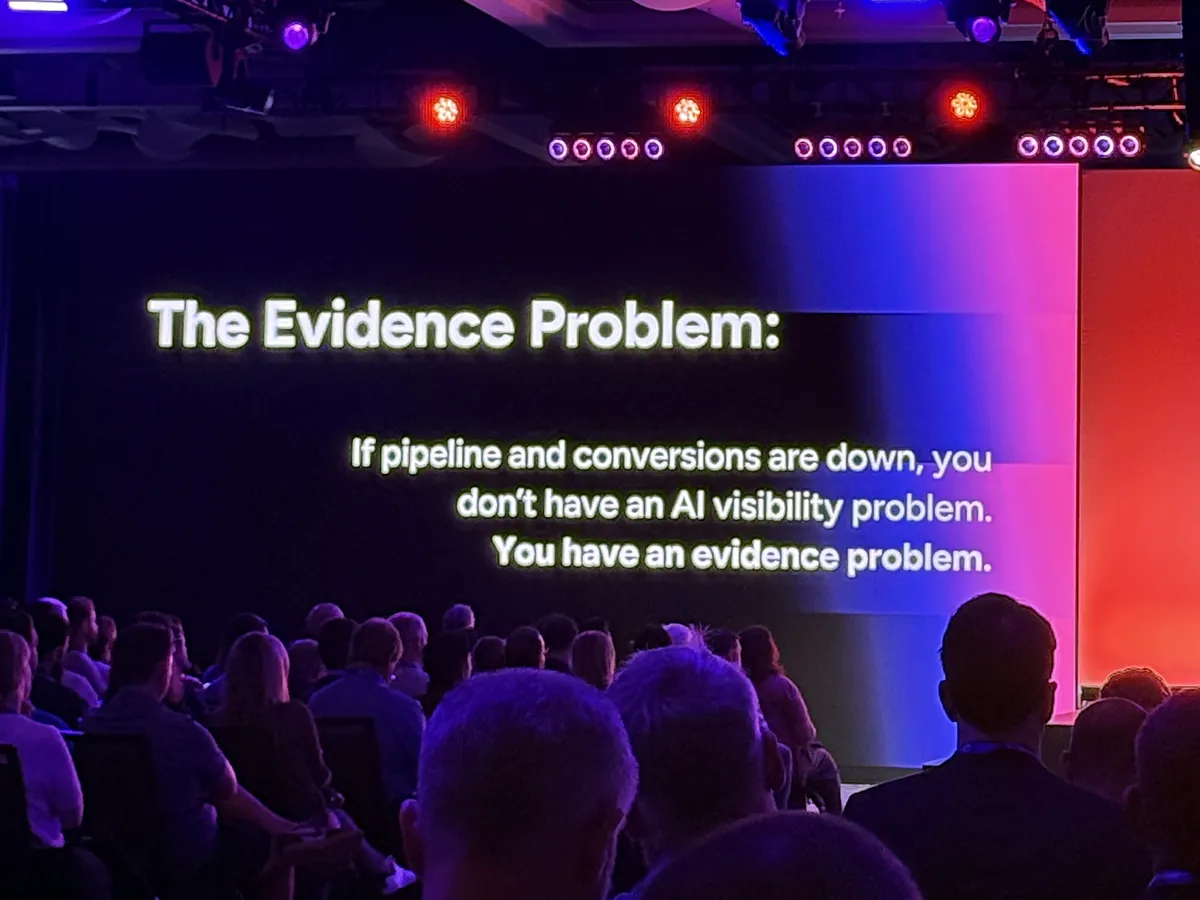
From the energy of the opening keynote and Andy Cohen’s appearance to announcements around SitecoreAI and MarketingIQ, discussions about Scrunch, and perspectives from people like Scott Brinker, there was plenty to take in.
But somewhere between the announcements, sessions, and conversations, I kept coming back to a question closely connected to what I do every day.
If AI can help us create content significantly faster, what happens to everything that comes after?
That question became one of my biggest takeaways from Orlando.
The way customers discover brands is changing
For years, we have approached digital experiences around a relatively familiar journey. Someone searches for something, discovers a website, explores the content, and hopefully takes the next step.
Of course, the actual journey has never been quite that simple. But search rankings, website traffic, engagement, and conversions have been important indicators of digital performance.
AI is beginning to change that.
Today, someone can ask an AI assistant a detailed question, compare options, understand the differences, and potentially make a decision before ever visiting a company’s website.
What happens when your potential customer receives an answer without visiting your website?
One perspective shared within the Symposium community described this as competing for a place on the LLM shortlist. I found that particularly interesting.
Imagine someone looking for a specific product or solution. Instead of browsing ten websites, they ask an AI assistant for recommendations and receive three options. Will your brand be one of them? And if it is, will the information presented be accurate?
This changes the conversation from simply being found to being understood, trusted, and recommended.
If customers increasingly discover brands through AI-generated answers, are we measuring the right things?
Website traffic will continue to matter. But it may no longer tell us the complete story of how customers discover and evaluate a brand.
Beyond pages, we need to think about knowledge
One of the recurring themes across Symposium was the importance of making content understandable to both people and machines. And this is where I believe enterprise content teams have an important role to play.
Think about a typical enterprise website. There are product pages, industry pages, technical documentation, case studies, FAQs, brochures, application details, and plenty of other resources. A tremendous amount of knowledge exists across these assets.
But how much of it is actually easy to find, understand, and use?
Sometimes the most important information is buried inside a lengthy PDF. Sometimes a product page describes the benefits beautifully but does not clearly answer the technical questions a customer might ask. Sometimes the information exists, but it is scattered across multiple pages or presented inconsistently.
These challenges are not new. What is changing is the importance of solving them.
For AI systems to retrieve and use information effectively, content needs to be accessible, structured, accurate, and supported by credible evidence. Clear headings, meaningful metadata, well-organized information, accessible tables, and useful answers to real customer questions become increasingly important.
The goal should not be to make content readable by AI alone. It should be to make enterprise knowledge genuinely useful, wherever and however someone discovers it.
That benefits customers, search engines, AI assistants, internal teams, and ultimately the business.
Instead of asking how many pages we published this month, perhaps we should also ask how much useful knowledge we made easier to discover.
SitecoreAI, MarketingIQ, and Scrunch: Interesting possibilities, bigger questions
Naturally, the technology announcements were a major part of Symposium. SitecoreAI, MarketingIQ, Scrunch, and the growing conversation around agentic workflows brought some exciting possibilities into focus.
What interested me most was not simply the idea of generating content faster. It was the possibility of connecting insights, content, workflows, and customer experiences more intelligently.
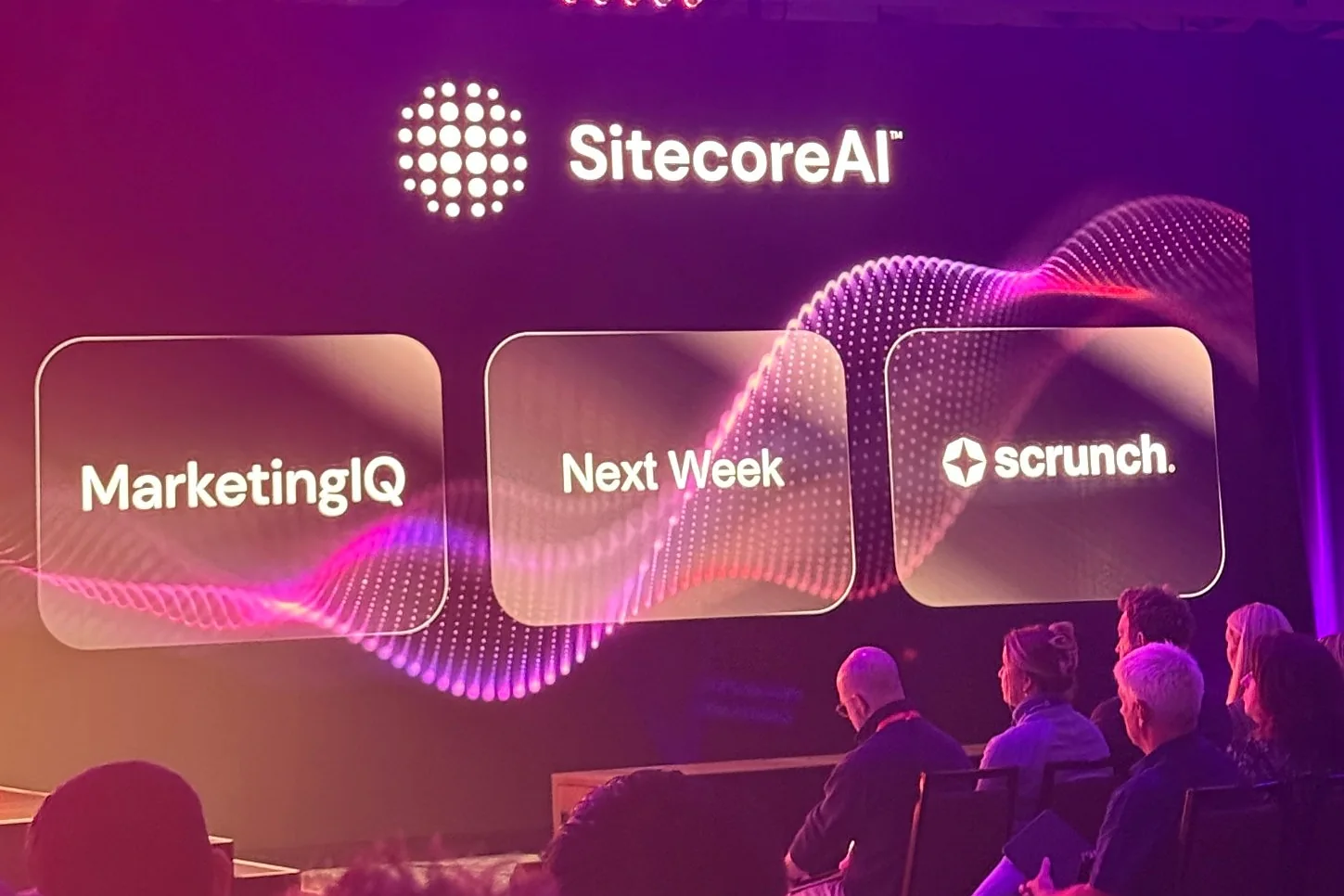
AI discoverability is another important part of that conversation. As brands become more concerned about how they appear in AI-generated answers, understanding the sources influencing those answers becomes increasingly valuable.
This is where the discussions around Scrunch caught my attention.
It is no longer enough to assume that optimizing your website automatically means your brand will be represented accurately across AI experiences. Your brand’s reputation, third-party references, content quality, and the consistency of information across different sources all become part of the picture.
There is also an important distinction between being cited and being recommended. An AI assistant might use your article as a source of information without recommending your company or product.
For me, the opportunity is not simply adopting every new capability as it becomes available. It is understanding where these capabilities can solve meaningful problems.
And that brings me back to enterprise content operations.
Creating content faster is one thing. Operating better is another.
This was probably the topic I kept thinking about the most.
At Digiteins, we spend a significant amount of time working on what happens after enterprise websites go live.
In fact, this was the central theme of my recent Sitecore User Group Pune session, Beyond Go-Live: What It Really Takes to Run an Enterprise Sitecore Website. The discussions at Symposium made that topic feel even more relevant.
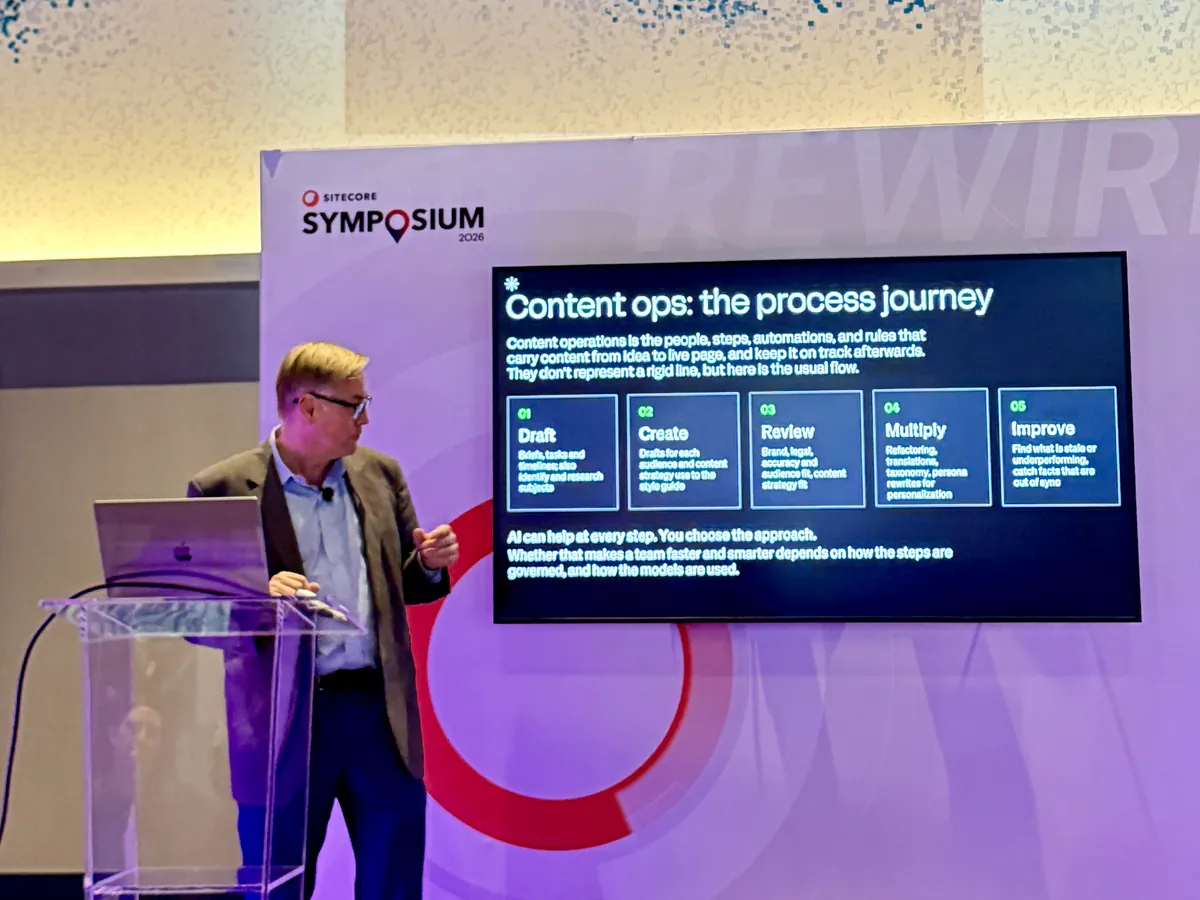
Anyone who has been involved in running a large website knows that publishing content is rarely just about creating a page.
There are requests to understand, stakeholders to coordinate with, content to review, approvals to obtain, translations to manage, components to configure, accessibility requirements to consider, QA checks to complete, and analytics to maintain.
And once something is published, the work does not stop. Content needs to remain accurate, relevant, and consistent as products, markets, campaigns, and business priorities change.
This is where I see a particularly interesting opportunity for AI.
Imagine being able to reduce repetitive content checks, identify inconsistencies before publication, improve localization workflows, detect outdated information, or help content teams understand which pages need attention.
But there is something we should be careful about.
A faster first draft does not automatically mean a faster end-to-end workflow.
If content generation becomes five times faster but approvals, QA, and publishing processes remain unchanged, have we really improved the entire operation? Or have we simply moved the bottleneck somewhere else?
Instead of measuring AI success only through the volume of content produced, we should also look at quality, turnaround time, rework, governance, and the overall effectiveness of content operations.
Because ultimately, the objective is not to create more content for the sake of creating more content. It is to deliver better digital experiences with greater consistency and less unnecessary effort.
Our next website visitor might not be human
Another interesting perspective that emerged from the wider Symposium community was the idea of AI agents becoming a new type of website visitor.
We have spent years designing websites primarily around human behavior. Navigation, page layouts, forms, calls to action, and content journeys are all built with people in mind.
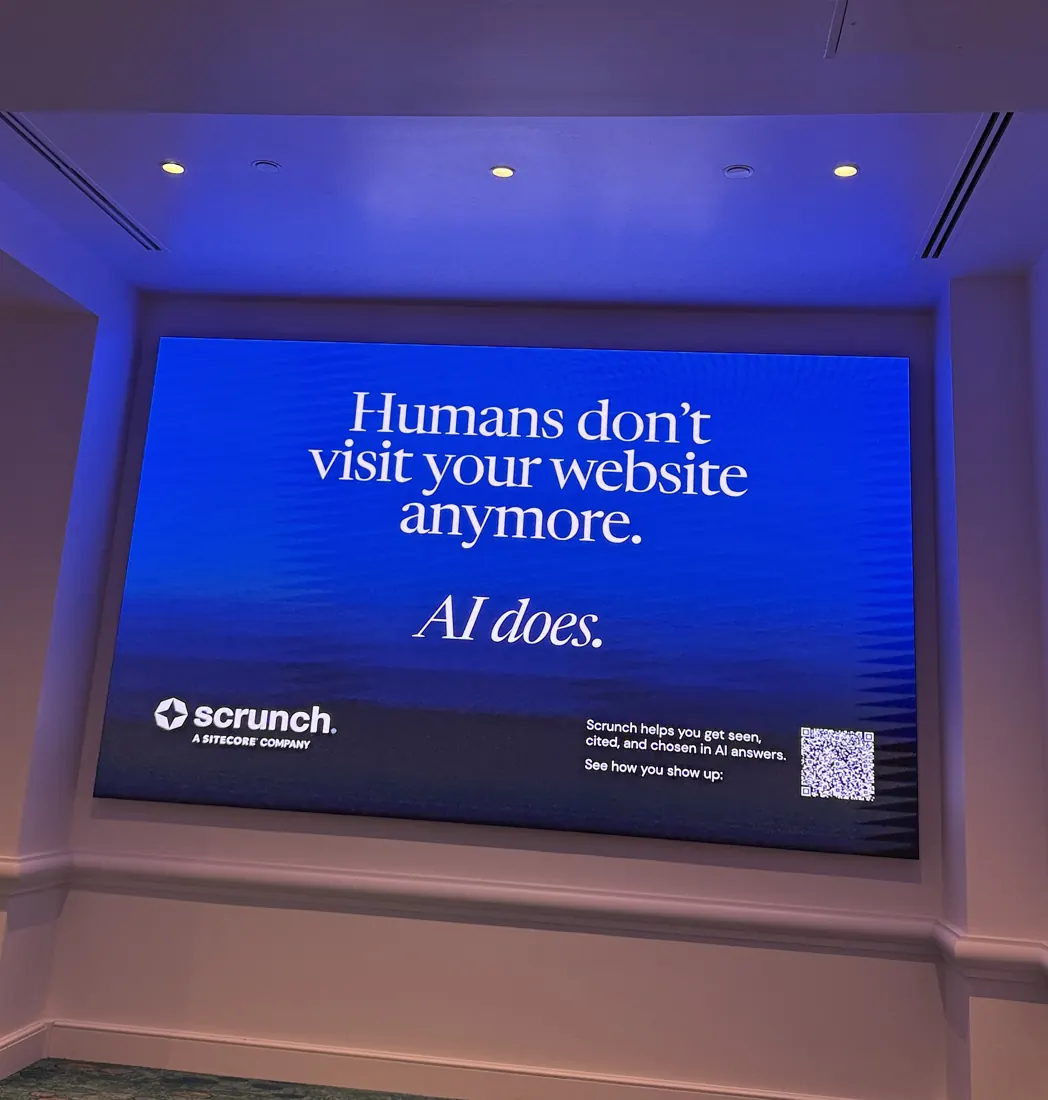
But what happens when an AI agent is trying to complete a task on someone’s behalf?
A developer who attended Symposium shared an example of an agent becoming confused by a form because the underlying page markup suggested that a thank-you message was already the main heading.
To a human visitor, the experience might appear perfectly normal. To an agent interpreting the structure of the page, it could suggest that the form had already been submitted.
I found this example particularly useful because it brings the conversation down to something very practical.
The quality of HTML, semantic structure, accessibility, and the way we communicate information through our websites may become even more important as agents begin interacting with digital experiences.
And it reinforces something I have believed for a long time: the fundamentals matter.
Good content structure, accessibility, clean implementations, and thoughtful user experiences are not simply technical checkboxes. They are part of making digital experiences work reliably, for people today and increasingly for intelligent systems as well.
The future is not just about AI. It is about being ready for it.
One thing I appreciated about several customer stories and discussions at Symposium was the emphasis on the foundations required to make new technology useful.
There is a natural excitement around AI. And understandably so.
But an enterprise with fragmented content, inconsistent governance, disconnected data, and unclear ownership will not automatically solve those challenges by introducing AI. In fact, it might make some of them more visible.
I believe organizations need to think carefully about the sequence.
Start by understanding the customer journey. Make sure the content is accurate and well structured. Establish clear governance and ownership. Improve measurement and connect the right data. Then identify where automation, personalization, and AI can make a meaningful difference.
This does not mean waiting years before experimenting with AI. Quite the opposite. There are opportunities to start small, learn quickly, and build confidence.
But there is a difference between experimenting with AI and expecting it to compensate for a weak digital foundation.
The most interesting opportunity is when technology, content, data, and people begin working together more effectively. And that requires more than a new platform feature. It requires changes in how teams operate.
Three things I would encourage enterprise content teams to explore
- Look at your content through the lens of AI discovery. Start with a handful of important product, solution, or industry pages. Ask whether they clearly answer customer questions, contain accurate information, and provide enough context for both people and AI systems to understand them. It does not have to begin with a large transformation initiative.
- Find one repetitive content operation worth improving. It could be identifying outdated content, checking page consistency, reviewing metadata, supporting translations, or preparing content for QA. Pick one workflow, understand how it works today, and experiment with where AI assistance could make a difference.
- Measure more than publishing speed. Faster publishing is useful, but so are fewer errors, less rework, better governance, and content that remains accurate over time.
These are areas I am keen to explore further, both through our work at Digiteins and through conversations with the wider Sitecore community.
For anyone interested in the operational side of enterprise websites, I also recently shared a practical resource: Life After Go-Live: The Enterprise Content Operations Playbook.
The idea behind it is simple. Launching an enterprise website is a milestone, but keeping it useful and effective is an ongoing responsibility. And AI is making that responsibility even more interesting.
Beyond the technology, the people made it special
Of course, it would be impossible to reflect on my first Sitecore Symposium without talking about the people. And this was one of my favorite parts of the entire experience.
There is something different about finally meeting someone in person after months or years of seeing their name on LinkedIn, joining the same community discussions, or connecting through work.

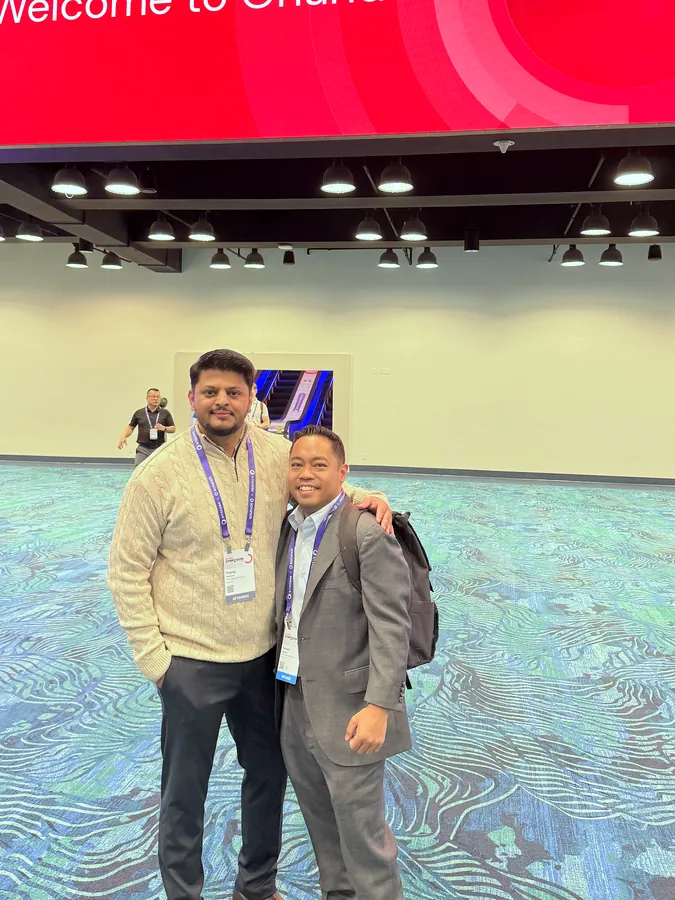
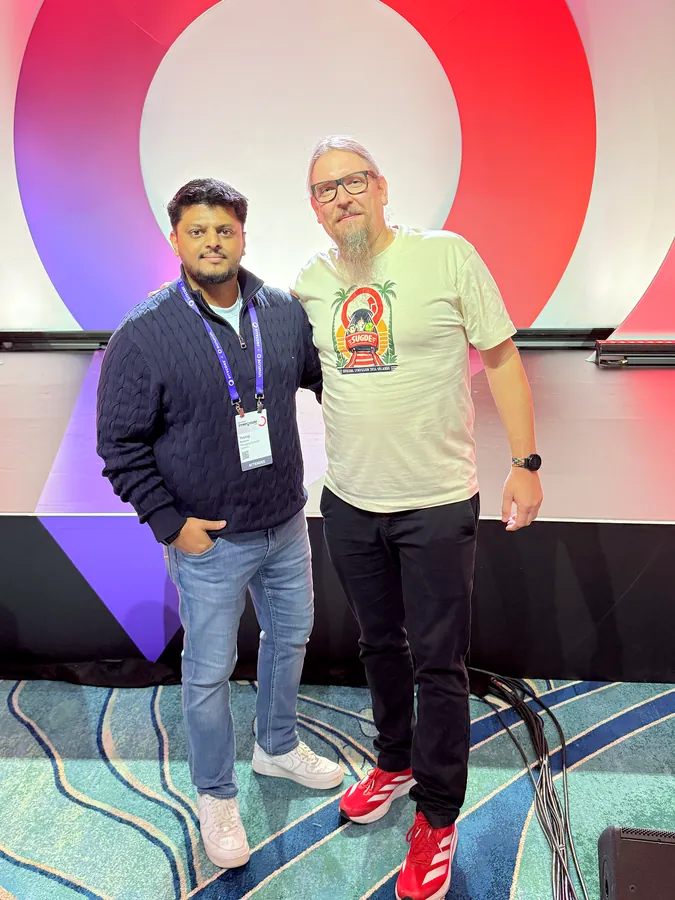
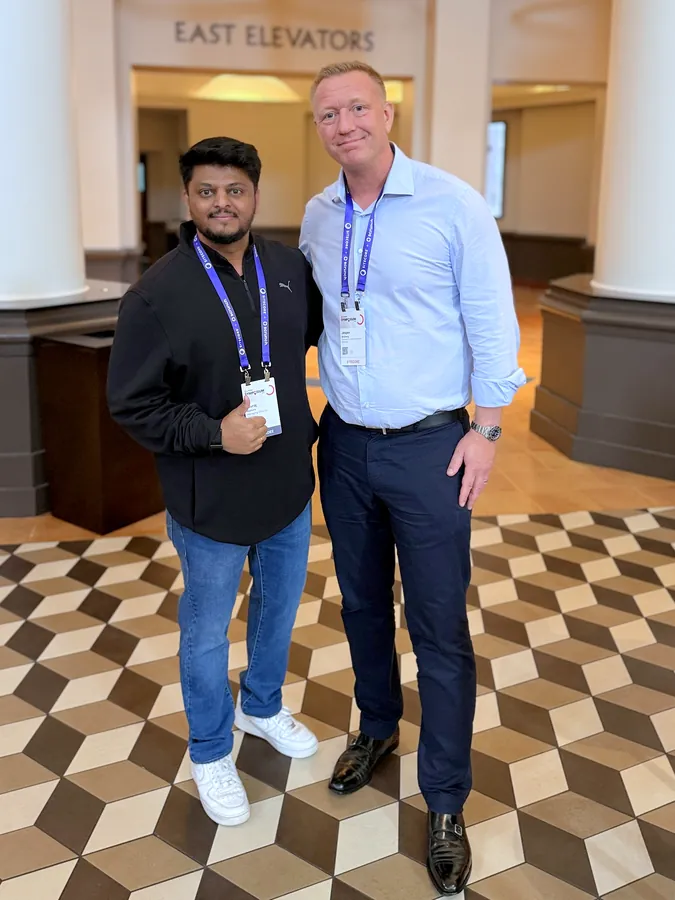
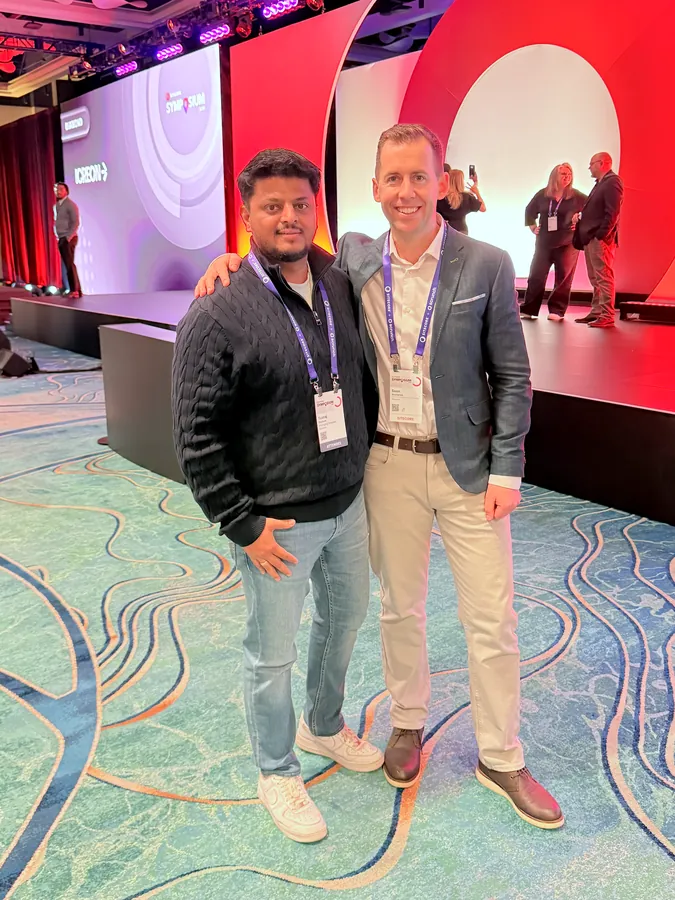
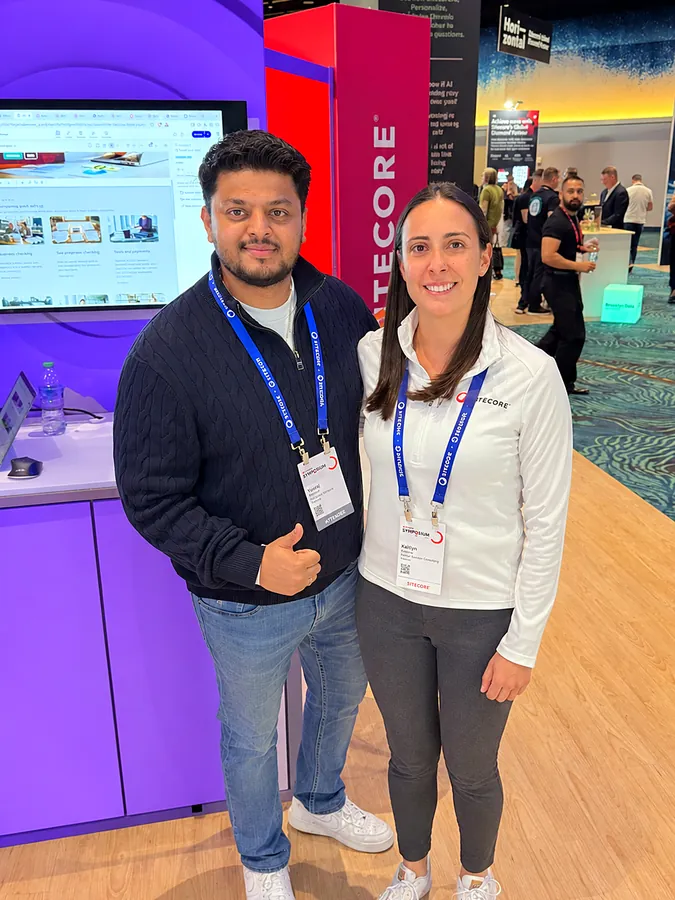
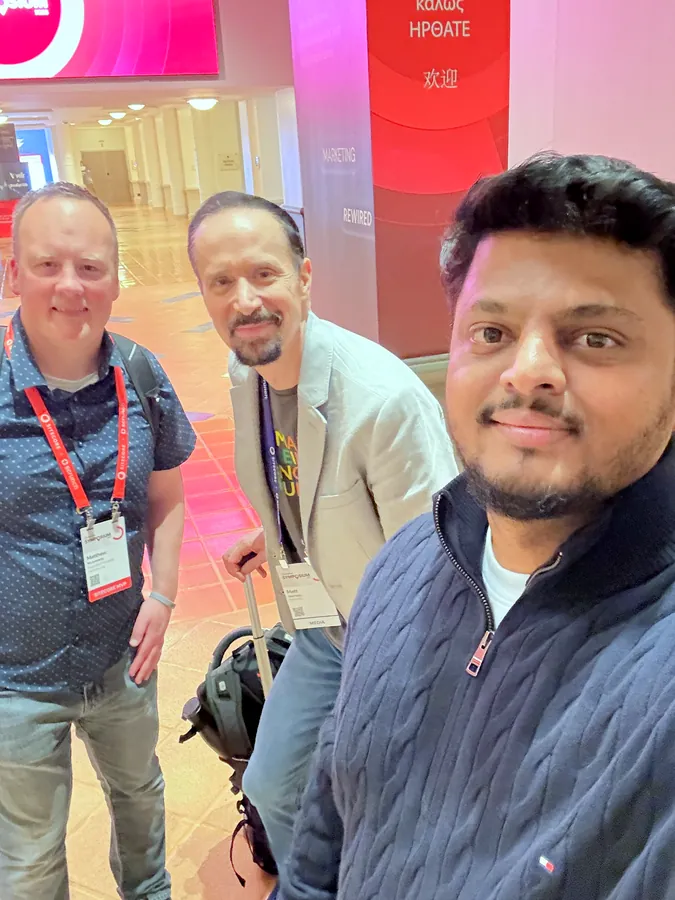
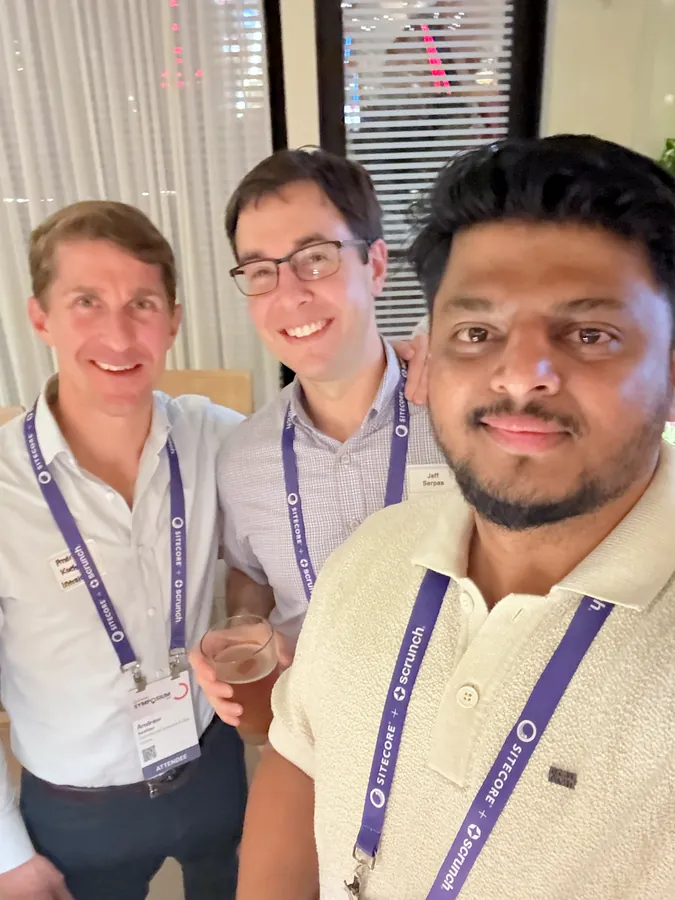

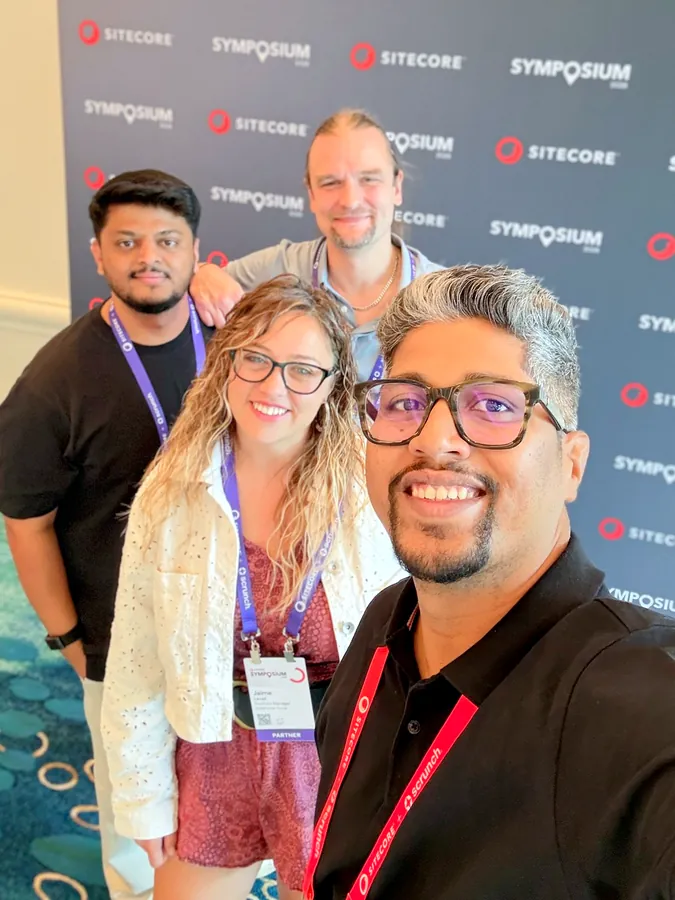
The conversations become more natural. You get to know the person beyond their job title. And sometimes, a quick introduction turns into a long conversation, a shared laugh, or a friendship that continues well beyond the event.
I enjoyed reconnecting with familiar faces, meeting people from across the Sitecore ecosystem, and hearing different perspectives from customers, partners, developers, marketers, and community members.
It was also wonderful meeting and reconnecting with people from across Sitecore, including Eric Stine, Dave from the leadership team, Sean Broderick, Sebastian Winter, and several others. Some were quick introductions, while others became conversations about the platform, the community, and where digital experiences are heading. What stayed with me was how approachable people were, even with so much happening around us.

One of the highlights of the trip was spending time with Liz Andert, Director of Digital Customer Experience at H.B. Fuller, a customer we have had the pleasure of working closely with at Digiteins. Beyond our regular conversations and collaboration, having the opportunity to connect in person, exchange perspectives, and discuss how enterprise digital experiences are evolving made the experience even more meaningful.
It was also wonderful spending time together beyond the conference sessions. Moments like these remind me that strong working relationships are built not just through projects and deliverables, but through trust, understanding, and the people behind them.
Another memorable part of the trip was finally catching up with Matt Garrepy and Matt McQueeny from the Boye & Company community. What started as an opportunity to meet in person turned into an unplanned dinner and some wonderful conversations.
It is moments like these that remind me why being part of communities matters. The connections often begin around shared professional interests, but the relationships grow through conversations that go well beyond work.
There were other memorable evenings too, including a lovely dinner with the RBA team and the opportunity to spend time with people I have come to know through our work together.
Not every conversation was about technology. And I think that is what made the experience even better.
People were open about what they were building, what they were learning, and sometimes even what was not working. That willingness to share experiences is what makes a professional community valuable.
And yes, Sitecore certainly knows how to bring people together and have some fun along the way. The Symposium party at Universal’s Islands of Adventure was a highlight in its own right. After full days of sessions and conversations, it was a refreshing change of pace to enjoy the park with people from the community, away from meeting rooms and presentation screens.
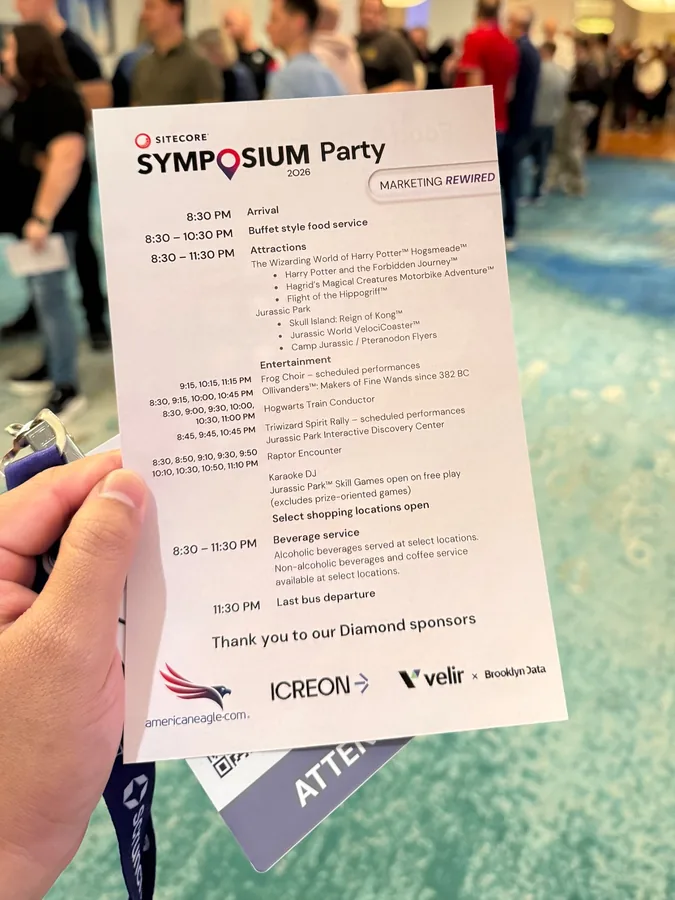





The wider week also included community gatherings beyond the main Symposium program, including an MVP Summit after the event. It was another reminder of how much of the Sitecore ecosystem is shaped by people who continue sharing and contributing long after the conference ends.
What am I taking home from Orlando?
A lot of ideas, certainly. But more importantly, a few questions that I want to keep exploring.
- Are we making our enterprise knowledge easier for both customers and AI systems to discover and understand?
- Are we improving the entire content lifecycle, or simply finding faster ways to create more content?
- Are we building the right foundations for AI, personalization, and more intelligent digital experiences?
- And are we measuring what genuinely matters as customer journeys continue to evolve?
These are questions I will be thinking about as we explore the next chapter of enterprise content operations at Digiteins.
I do not believe AI will make the work behind enterprise websites disappear. But I do believe it will change how that work gets done.
Some tasks will become simpler. Some workflows will become smarter. And new responsibilities will emerge around quality, governance, discoverability, and trust.
The opportunity is to make that transition thoughtfully. To use technology where it genuinely helps, keep people involved where their judgment matters, and continue building digital experiences that are useful, reliable, and relevant.
Beyond the conference, Orlando gave me some wonderful memories too. Celebrating Diwali away from home, spending time with friends and families, exploring Magic Kingdom and EPCOT, and the evening at Universal’s Islands of Adventure all made the trip even more memorable.
But what I will remember most is the people, the conversations, and the ideas that came home with me.
Orlando gave me plenty to think about. Now comes the interesting part: putting some of it into practice.